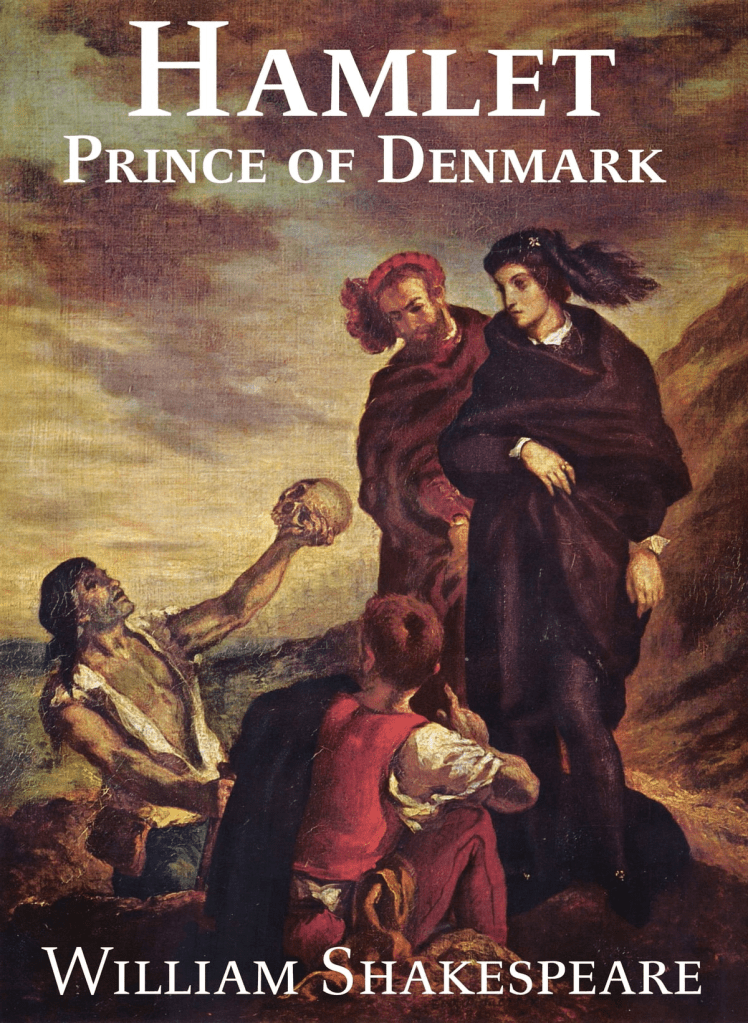
“Ser ou não ser, eis a questão”. Esta é a passagem de uma das peças mais famosas de Shakespeare, a minha favorita de todas entre as que ele escreveu, no monólogo profundo que o protagonista Hamlet faz. Ela traduz a dúvida, ela traduz a incerteza, ela traduz a ignorância e a perplexidade. Mas, acima de tudo, ela traduz, em uma simples pergunta, a busca pelo sentido da vida. Ou da morte.
Na tragédia de Shakespeare, Hamlet parece ouvir a voz de um vulto, que diz ser seu pai, o Rei Hamlet, que o informa que foi assassinado por seu irmão, Cláudio, o tio do Príncipe Hamlet, para tomar o poder. Cláudio se torna Rei e se casa com Gertrude, a mãe de Hamlet, que continua sendo a Rainha. A dúvida que mora dentro da pergunta “Ser ou não ser” carrega também a hesitação entre suicidar-se ou não, entre vingar-se da morte do pai assassinando o tio ou não, entre ser medieval ou renascentista. Em quatro palavras, Hamlet, com a força de um furacão indomado, questiona o que você e eu nos perguntamos a cada minuto de nossa existência. Ler “Hamlet” é ser empurrado para o olho de uma pergunta à procura de uma resposta invisível.
English – “To be or not to be, that’s the question”. This is a passage from one of Shakespeare’s most famous plays, my favorite of all he wrote, in the profound monologue that the protagonist Hamlet delivers. It translates doubt, it translates uncertainty, it translates ignorance and perplexity. But, above all, it translates, in a simple question, the search for the meaning of life. Or death.
In Shakespeare’s tragedy, Hamlet seems to hear the voice of a figure, who claims to be his father, King Hamlet, who informs him that he was murdered by his brother, Claudius, Prince Hamlet’s uncle, to seize power. Claudius becomes King and marries Gertrude, Hamlet’s mother, who remains Queen. The doubt that lives inside the question “To be or not to be” also carries the hesitation between committing suicide or not, between taking revenge for the death of the father by murdering the uncle or not, between being medieval or renaissance. In six words, Hamlet, with the force of an untamed hurricane, questions what you and I ask ourselves every minute of our existence. To read “Hamlet” is to be thrust into the eye of a question looking for an unseen answer.
 Anderson Borges Costa site oficial